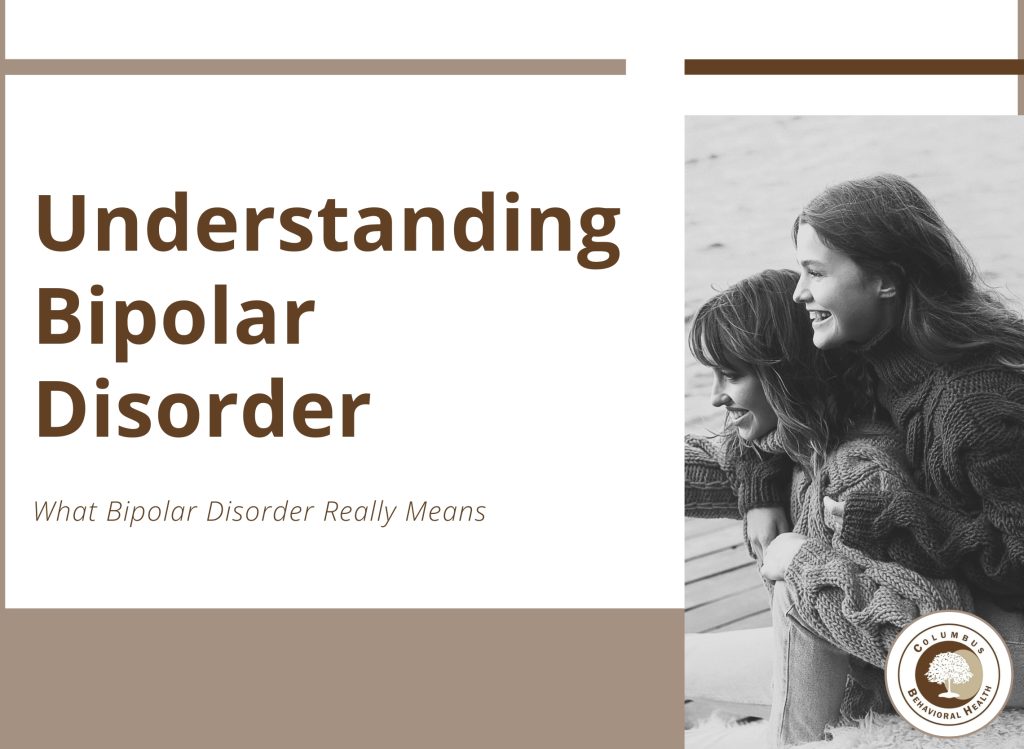
Understanding Bipolar Disorder: What It Really Means
Imagine your emotions as a rollercoaster. For most people, the ride has gentle ups and downs—some good days, some bad. But for people on the bipolar spectrum, the ride can be much steeper, with very high highs and very low lows. These shifts in mood, energy, and activity aren’t just normal changes—they can seriously affect how someone feels, thinks, and lives day to day.
What Is Bipolar Spectrum Disorder?
“Bipolar” means “two poles,” referring to the two extremes of mood: mania (or hypomania, a milder form) and depression. The word spectrum is important because not everyone’s experience looks the same. Some people have intense mood swings that last weeks or months, while others experience shorter, less severe changes. Think of it as a range of different patterns rather than one single condition.
The Two Main Mood States
Mania or Hypomania (the “up” side)
During these times, a person might feel:
Extremely energetic or full of ideas
Unusually confident or even unstoppable
Needing little or no sleep
Very talkative or easily distracted
Impulsive—spending too much money, taking risks, or acting without thinking
Hypomania is a milder version: the person may still function well but might notice they’re more wired or restless than usual.
Depression (the “down” side)
In this phase, the person might feel:
Deep sadness or emptiness
Tired and hopeless
Trouble focusing or making decisions
Loss of interest in things they used to enjoy
Changes in sleep or appetite
Thoughts of worthlessness or, in severe cases, suicide
Sub-Types of Bipolar Disorder
Both fall under the bipolar spectrum, but they differ in the intensity of the mood changes:
Bipolar I involves at least one full manic episode—a period so elevated and intense that it often causes major disruption in daily life, and sometimes requires hospitalization. Depression can also occur, but mania is what defines Bipolar I.
Bipolar II involves hypomania instead of full mania, along with at least one major depressive episode. The highs are less extreme, but the lows can be just as painful or even longer-lasting.
You can think of it this way: both types have mood swings, but Bipolar I has higher highs, while Bipolar II often has deeper, longer lows. Neither is “better” or “worse”—they just show up differently in each person’s life.
Why Does It Happen?
Scientists don’t know exactly what causes bipolar disorder, but they believe it’s a mix of genetics, brain chemistry, and stress. It often runs in families. Certain life events, trauma, or major changes can trigger symptoms. It’s not a sign of weakness or a bad personality—it’s a medical condition that affects how the brain regulates mood and energy.
How Is It Treated?
Bipolar spectrum disorder can be managed very successfully with the right support. Common treatments include:
Medication (like mood stabilizers such as Lamictal or Lithium)
Therapy, especially cognitive behavioral therapy (CBT)
Healthy routines: regular sleep, balanced meals, exercise, and stress management
Support systems—friends, family, and sometimes support groups
Treatment doesn’t erase mood changes entirely, but it helps keep them more stable and predictable.
Why Understanding Matters
People with bipolar disorder can live full, creative, and successful lives. Many well-known artists, scientists, and leaders have spoken openly about living with bipolar disorder. Both intelligence and creativity are associated with Bipolar Disorder. What makes the biggest difference is understanding—both from the person experiencing it and from the people around them.
When we understand that bipolar disorder is a medical condition, not a character flaw, we replace judgment with empathy. That shift can make all the difference.
Imagine your emotions as a rollercoaster. For most people, the ride has gentle ups and downs—some good days, some bad. But for people on the bipolar spectrum, the ride can be much steeper, with very high highs and very low lows. These shifts in mood, energy, and activity aren’t just normal changes—they can seriously affect how someone feels, thinks, and lives day to day.
What Is Bipolar Spectrum Disorder?
“Bipolar” means “two poles,” referring to the two extremes of mood: mania (or hypomania, a milder form) and depression. The word spectrum is important because not everyone’s experience looks the same. Some people have intense mood swings that last weeks or months, while others experience shorter, less severe changes. Think of it as a range of different patterns rather than one single condition.
The Two Main Mood States
Mania or Hypomania (the “up” side)
During these times, a person might feel:
Extremely energetic or full of ideas
Unusually confident or even unstoppable
Needing little or no sleep
Very talkative or easily distracted
Impulsive—spending too much money, taking risks, or acting without thinking
Hypomania is a milder version: the person may still function well but might notice they’re more wired or restless than usual.
Depression (the “down” side)
In this phase, the person might feel:
Deep sadness or emptiness
Tired and hopeless
Trouble focusing or making decisions
Loss of interest in things they used to enjoy
Changes in sleep or appetite
Thoughts of worthlessness or, in severe cases, suicide
Sub-Types of Bipolar Disorder
Both fall under the bipolar spectrum, but they differ in the intensity of the mood changes:
Bipolar I involves at least one full manic episode—a period so elevated and intense that it often causes major disruption in daily life, and sometimes requires hospitalization. Depression can also occur, but mania is what defines Bipolar I.
Bipolar II involves hypomania instead of full mania, along with at least one major depressive episode. The highs are less extreme, but the lows can be just as painful or even longer-lasting.
You can think of it this way: both types have mood swings, but Bipolar I has higher highs, while Bipolar II often has deeper, longer lows. Neither is “better” or “worse”—they just show up differently in each person’s life.
Why Does It Happen?
Scientists don’t know exactly what causes bipolar disorder, but they believe it’s a mix of genetics, brain chemistry, and stress. It often runs in families. Certain life events, trauma, or major changes can trigger symptoms. It’s not a sign of weakness or a bad personality—it’s a medical condition that affects how the brain regulates mood and energy.
How Is It Treated?
Bipolar spectrum disorder can be managed very successfully with the right support. Common treatments include:
Medication (like mood stabilizers such as Lamictal or Lithium)
Therapy, especially cognitive behavioral therapy (CBT)
Healthy routines: regular sleep, balanced meals, exercise, and stress management
Support systems—friends, family, and sometimes support groups
Treatment doesn’t erase mood changes entirely, but it helps keep them more stable and predictable.
Why Understanding Matters
People with bipolar disorder can live full, creative, and successful lives. Many well-known artists, scientists, and leaders have spoken openly about living with bipolar disorder. Both intelligence and creativity are associated with Bipolar Disorder. What makes the biggest difference is understanding—both from the person experiencing it and from the people around them.
When we understand that bipolar disorder is a medical condition, not a character flaw, we replace judgment with empathy. That shift can make all the difference.